Multi-unit residential buildings present unique challenges for energy efficiency certification. We provide specialized services for community property administrators and homeowner associations that need to certify common areas or coordinate individual unit assessments.
Residential communities face specific complications when addressing energy efficiency. Common heating and hot water systems serve multiple units, building envelope improvements require collective decision-making, and coordinating assessments across many individual properties demands careful planning.
Community administrators need clear information about which improvements would benefit the entire building versus which are individual unit responsibilities. Cost allocation for shared system upgrades must be transparent and fair.
Our community-focused service provides both the required individual unit certificates and comprehensive analysis of building-wide improvement opportunities with cost-sharing frameworks.
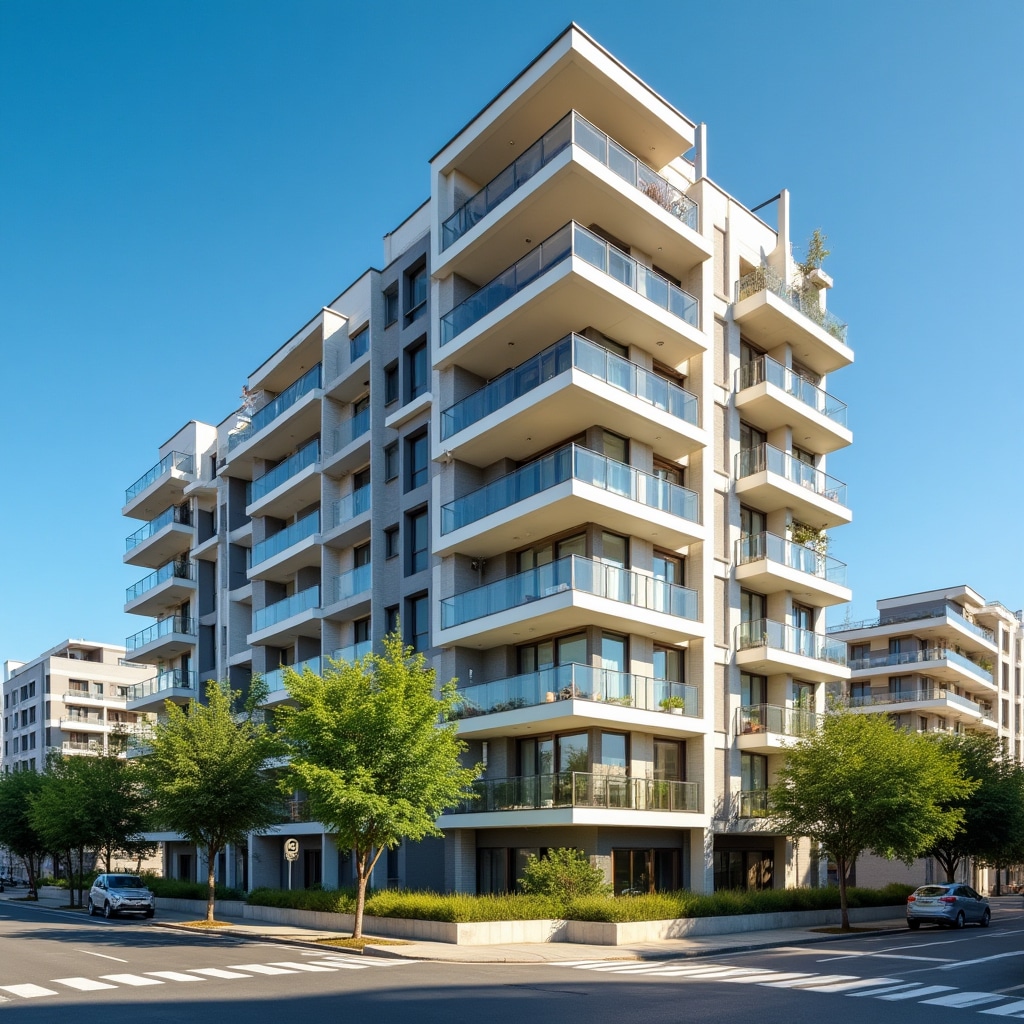
Our community service packages address both individual unit certification requirements and collective improvement planning.
Efficient coordination of multiple unit assessments with scheduling that minimizes disruption and volume pricing that reduces per-unit costs for the community.
Evaluation of shared systems including central heating, hot water production, lighting in common areas, and building envelope characteristics that affect all units.
Identification of building-wide upgrades that would improve all unit ratings, with cost estimates and proposed allocation methods based on unit characteristics.
Financial modeling showing collective investment requirements, anticipated energy savings across all units, and projected impact on property values within the community.
Certain upgrades benefit entire residential communities and can be more cost-effective when implemented collectively rather than unit by unit.
Replacing outdated central boilers with modern condensing systems or installing heat pumps can significantly reduce energy consumption and improve ratings for all connected units.
Upgrading centralized hot water production with solar thermal integration or more efficient generation equipment benefits all units while reducing collective operating costs.
External thermal insulation systems improve the entire building envelope, reducing heat loss for all units and dramatically improving individual energy ratings.
Rooftop photovoltaic systems can provide electricity for common areas and potentially individual units, directly improving energy ratings and reducing collective utility expenses.
LED lighting, motion sensors, and efficient ventilation in hallways, garages, and shared spaces reduce collective energy consumption and operating costs.
Installing modern control systems for shared heating and hot water allows optimization of operation schedules and temperatures, reducing waste without affecting comfort.
We understand that community property decisions require consensus building and clear communication with all stakeholders. Our reports are structured to facilitate informed discussion at community meetings.
We provide separate documentation for individual unit owners and collective improvement recommendations for the community as a whole. Cost estimates include both total investment and per-unit allocation based on different possible distribution methods.
Our team can attend community meetings to present findings and answer questions from residents about proposed improvements, helping communities make informed decisions about energy efficiency investments.
Discuss Your CommunityOur process for residential communities balances efficiency with thoroughness, coordinating multiple assessments while maintaining quality standards.
We work with community administrators to understand building characteristics, identify which units need certification, and establish an assessment schedule that works for residents.
Assessment of common systems and building envelope characteristics that affect all units, including shared heating, hot water, structural elements, and common area energy use.
Coordinated visits to individual units for measurements and documentation specific to each property, conducted according to the agreed schedule with minimal disruption.
Delivery of individual certificates for each unit plus a collective report identifying building-wide improvement opportunities with cost allocation frameworks and projected benefits.