Understanding Energy Efficiency

Energy efficiency certification in Spain is legally mandatory, but most property owners receive a document they never truly understand. We provide the required certificate along with detailed analysis that translates technical ratings into practical information you can use.

What the Law Requires

Spanish law mandates that any property being sold or rented must have a valid energy efficiency certificate. This certificate assigns a rating from A (most efficient) to G (least efficient) based on calculated energy consumption and CO2 emissions.

The certificate must be issued by a qualified technician and registered with the regional authority. It is valid for ten years and must be shown to potential buyers or tenants before any transaction.

This legal framework ensures transparency about energy performance, but the standard certificate provides limited practical guidance for property owners seeking to understand or improve their rating.
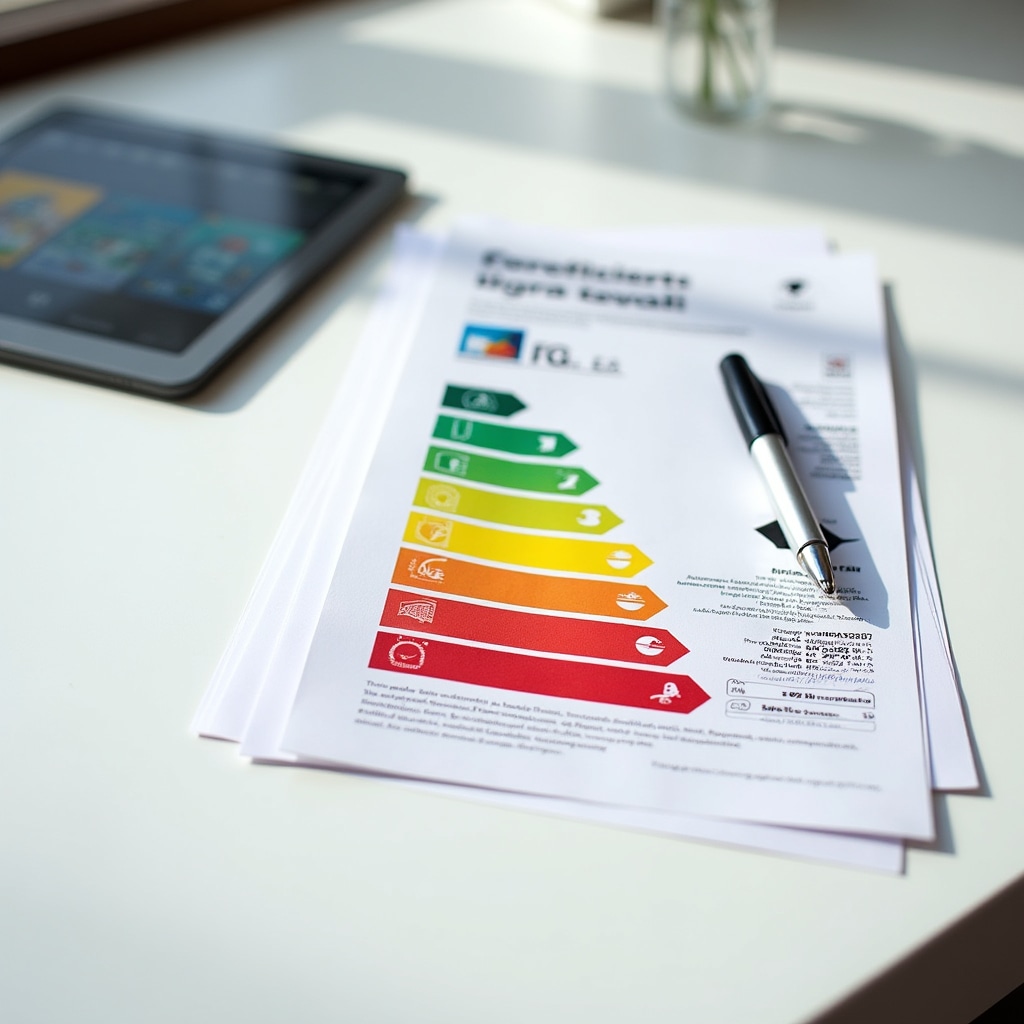
Official energy efficiency certificate showing rating scale and technical specifications

What We Add Beyond the Certificate

The mandatory certificate fulfills legal requirements. Our supplementary report provides context and actionable information that standard certification does not include.

Rating Breakdown

Detailed explanation of which building characteristics most significantly impact your rating, including insulation, windows, heating systems, and orientation.

Improvement Scenarios

Specific upgrades that would improve your rating, with estimated costs and projected impact on both energy consumption and property classification.

Cost Analysis

Financial modeling showing current energy costs, potential savings from improvements, and approximate payback periods for different upgrade scenarios.

Market Context

Information about how energy ratings influence buyer and tenant decisions in your property segment, and how improvements affect perceived value.

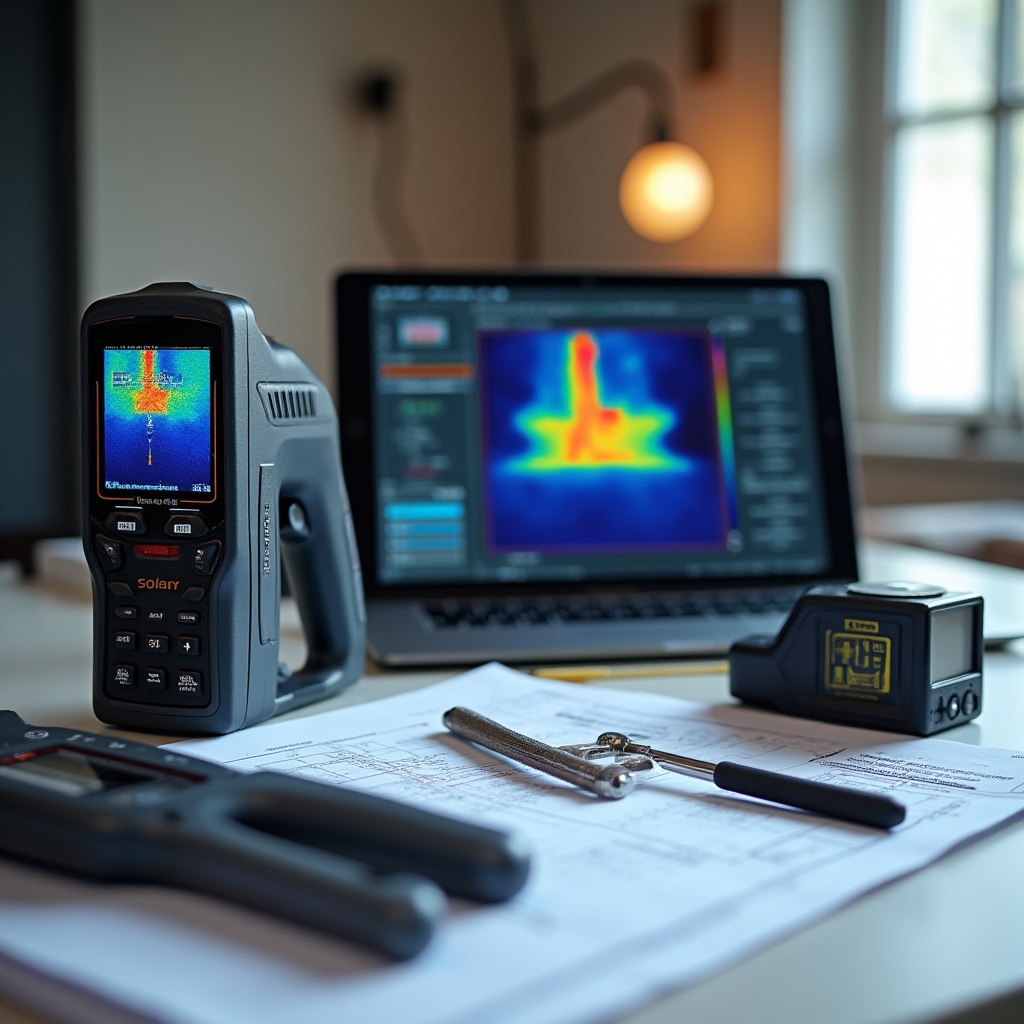
Professional energy assessment equipment and measurement tools used during property evaluation

Our Assessment Process

We conduct a thorough on-site inspection using calibrated measurement equipment and following official calculation methodologies. This ensures accuracy and compliance with regulatory requirements.

During the assessment, we document building envelope characteristics, heating and cooling systems, hot water production, lighting, and renewable energy installations if present. We also note factors like orientation, shading, and ventilation that influence energy performance.

This data feeds into approved calculation software that determines your official rating. We then analyze the results to identify which factors have the greatest influence on your score and which improvements would be most effective.

Common Improvement Opportunities

Based on our experience with thousands of properties in Madrid, certain improvements consistently offer meaningful impact on energy ratings and operating costs.

Envelope Insulation

Adding or improving thermal insulation in walls, roofs, and floors reduces heat loss in winter and heat gain in summer, significantly affecting both comfort and energy consumption.

Window Upgrades

Replacing single-pane windows with double or triple glazing, or improving frames and seals, reduces thermal transmission and improves both rating and comfort.

Heating Systems

Upgrading to more efficient boilers, heat pumps, or condensing systems can substantially reduce energy consumption while maintaining or improving comfort levels.

Solar Integration

Installing solar thermal systems for hot water or photovoltaic panels for electricity generation directly improves ratings by reducing conventional energy demand.

Ventilation Control

Mechanical ventilation with heat recovery maintains air quality while minimizing energy loss, particularly relevant in well-sealed modern or renovated buildings.

Control Systems

Installing programmable thermostats, zone controls, or smart home systems optimizes heating and cooling operation, reducing waste without sacrificing comfort.

Understanding Your Report

Our supplementary report is structured to provide clear, actionable information organized by priority and cost-effectiveness.

1

Current Performance

Explanation of your current rating, what it means in terms of energy consumption, and how your property compares to similar buildings in your area.

2

Key Factors

Identification of which building characteristics have the greatest impact on your rating, helping you understand where improvements would be most effective.

3

Improvement Options

Detailed recommendations for specific upgrades, including technical specifications, estimated costs, and projected impact on rating and consumption.

4

Financial Analysis

Cost-benefit analysis showing investment requirements, annual savings potential, and approximate payback periods for different improvement scenarios.

Why This Matters

Energy efficiency ratings increasingly influence property values and marketability. Buyers and tenants consider operating costs when evaluating properties, and energy ratings provide a standardized way to compare expected expenses.

Properties with poor ratings may face longer marketing periods or price adjustments to compensate for higher anticipated utility costs. Conversely, properties with strong ratings can command premium pricing and attract quality tenants more quickly.

Understanding your rating and improvement options allows you to make strategic decisions about which investments make financial sense for your situation, whether you plan to sell immediately, hold long-term, or rent the property.

Request Your Assessment
Real estate professional discussing property value and energy efficiency impact with clients